Ceramic Earthenware Topology and Culinary Prop Meshing
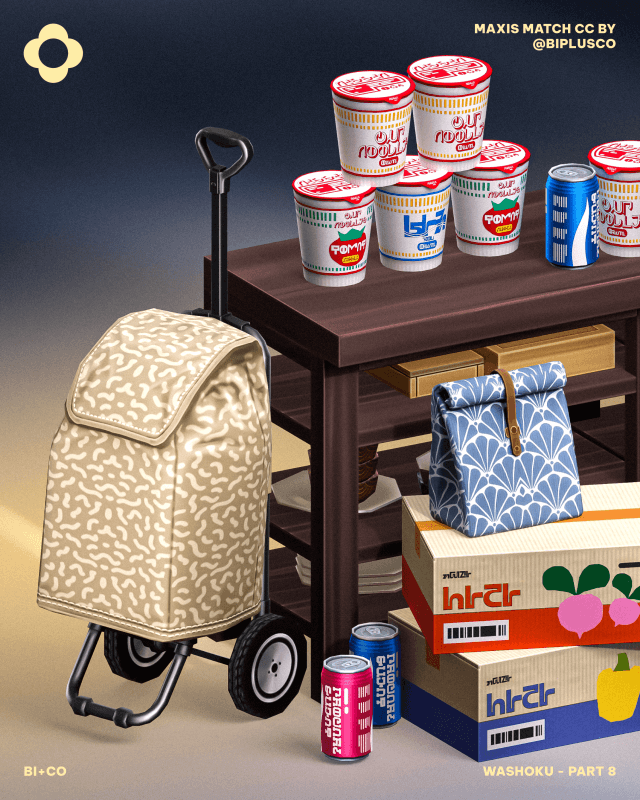
The 3D polygonal craftsmanship in Washoku Part 8 reflects exceptional dedication to domestic authenticity. Each piece is modeled with natural irregularities that replicate kiln-fired stoneware, from gentle pottery lip curves to tactile glaze grooves. The chopsticks rest delicately across grooved porcelain rests, while condiment containers feature modeled pour spouts that avoid flat low-poly compromises.
Decorators curating authentic East Asian dining spaces can visit Sims 4 Update to pair these tableware props with minimalist cedar counters, tatami floor mats, and sliding shoji screens for immersive Komorebi storytelling.
The organic curvature of the miso soup bowls and rice vessels adds tangible realism to countertop cooking zones and crowded family breakfast tables.
Washoku Part 8 Catalog Details and Glaze Swatches
- Authentic Japanese Tableware Prop Pack: Comprehensive Build/Buy decorative clutter collection designed for kitchen and dining spaces.
- Organic Ceramic and Wood Sculpting: Hand-carved stoneware geometry with modeled chopstick rests and seasoning vessels.
- Traditional Artisanal Pottery Glaze Swatches: Includes tenmoku black, celadon green, shino white, rustic indigo, and warm terracotta.
- Versatile Clutter Slot Snapping: Seamlessly places across counter, dining table, and shelving decorative slots without footprint clashes.
Stoneware Glaze Reflections and Raw Ceramic Shaders
Surface shaders effectively capture the contrasting textures of glazed porcelain and unglazed clay bases. The upper bowl rims exhibit soft semi-gloss specular reflectivity under overhead kitchen spotlights, while the footrings maintain rough matte textures. Custom normal maps simulate the subtle craquelure of aged tea bowls without excessive contrast.
Every wooden bowl and culinary utensil preserves crisp visual definition across both lightweight laptop mode and ultra high-definition display configurations under sunny daylight or warm paper lanterns.
From individual seasoning shakers to layered bento boxes and porcelain tea sets, the diverse props allow builders to capture the cozy chaos of lived-in domestic spaces or the disciplined minimalism of fine dining establishments.
Dining Table Slot Architecture and Modular Placement
The clutter objects are configured with compact bounding boxes, allowing builders to create dense, lived-in table settings using vanilla surface slots or Alt-placement freedom. Bowls can be arranged alongside dipping dishes and serving platters without generating awkward floating artifacts above wooden dining tables.
This disciplined alignment ensures that plates look completely grounded during elaborate multi-course meal displays and lively dining screenshots.
Build Mode Footprint Tuning and Performance Stability
Despite the high visual fidelity of the individual ceramics, each mesh is built with clean polygonal topology and optimized texture atlases. Builders can populate entire commercial izakaya kitchens or crowded restaurant storage pantries without suffering frame drops or rendering hitching during camera pans.
Complete custom thumbnail icons and organized catalog tags make identifying each condiment jar and serving bowl swift and straightforward in Build Mode.
Mount Komorebi Living and Traditional Culinary Narratives
In character gameplay, Washoku Part 8 provides rich contextual storytelling for passionate chefs and generational families. It is the signature decor for a master sushi chef prepping evening orders, a grandmother serving traditional home-cooked ramen on snowy Komorebi evenings, or a modern food blogger documenting Kaiseki culinary artistry. Its authentic tableware brings rich cultural depth to any household kitchen.
Whether creating tranquil hot spring retreat dining halls or cozy suburban breakfast nooks, these functional decorative pieces enhance the atmosphere of every shared meal.